
Bucks legislators propose law in response to deadly Bristol explosion
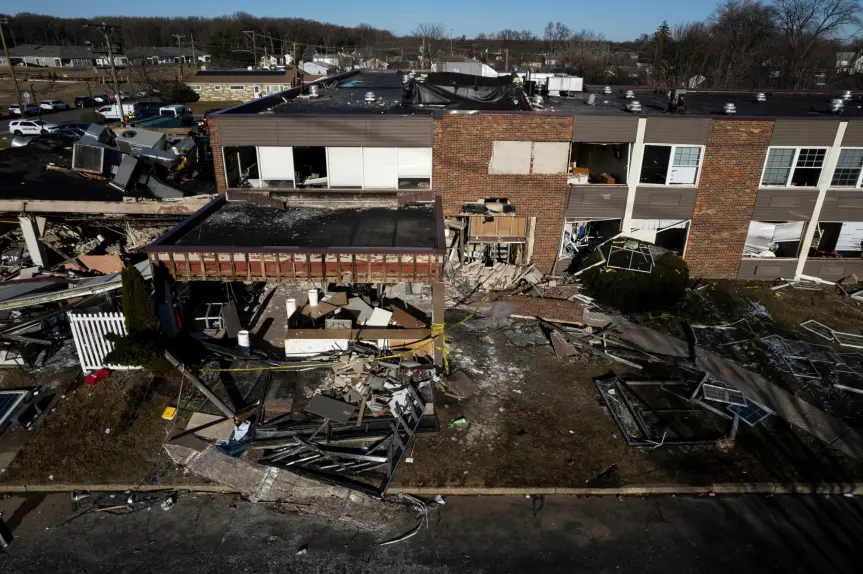
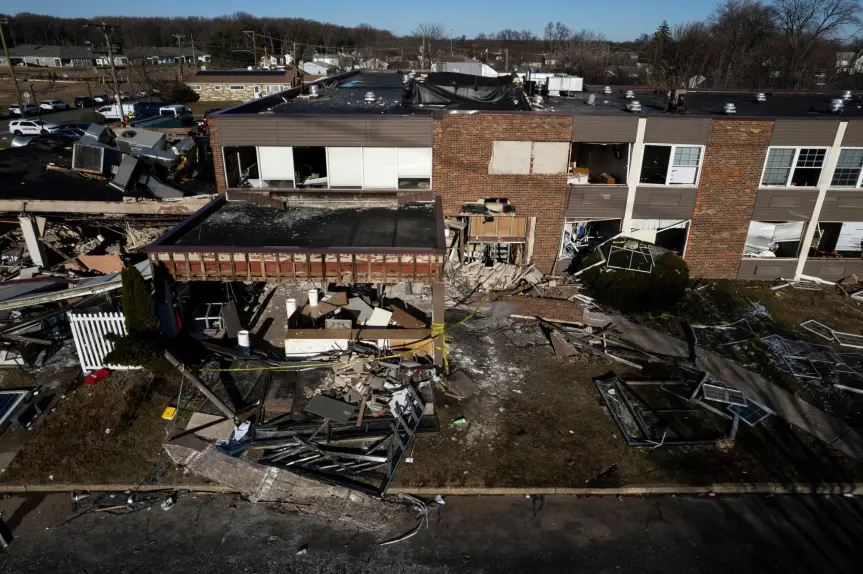
Following an explosion that killed three people last December at a healthcare facility in Bristol, legislation has been introduced in Harrisburg to improve emergency preparedness at high-risk care facilities.
The legislation – it was introduced by state Sen. Steve Santarsiero, D-10, and state Rep. Tina Davis, D-141 – requires standardized emergency plans, accountability for tracking occupants, and direct coordination with local first responders. It also aims to make it easier for first responders to evacuate personal care homes, assisted living facilities and other such high-risk residential care sites.
“In an emergency, preparedness is not optional, and coordination between local first responders and high-risk care facilities is critical,” said Santarsiero.
In laying out the proposed bill, the lawmakers said the explosion is a “tragic reminder” that when an emergency occurs in a setting filled with elderly, medically fragile or otherwise vulnerable individuals, “there is no margin for confusion or delay.”
Said Santarsiero and Davu in a joint statement: “In those first critical moments, local police, firefighters and EMS personnel are tasked with making life-or-death decisions – often without knowing a building’s layout, utility shutoffs, evacuation protocols, or how many people must be accounted for. When seconds matters, access to clear, facility-specific emergency information can save lives.”
Current law does not require the high-risk facilities’ emergency plans be shared with local first responders responsible for responding in the first moments of a crisis. The legislation is designed to strengthen emergency preparedness and response across high-risk care facilities by requiring that existing emergency plans be shared with local police, fire and rescue squads, and be reviewed annually.
The legislators said the bill will include procedures for accounting of all residents, staff and visitors, as well as designation of an on-site emergency coordinator.
“This commonsense approach ensures that emergency plans are not only maintained, but are accessible and used by first responders when every second matters, improving response times and protecting residents, staff, visitors and emergency personnel.”