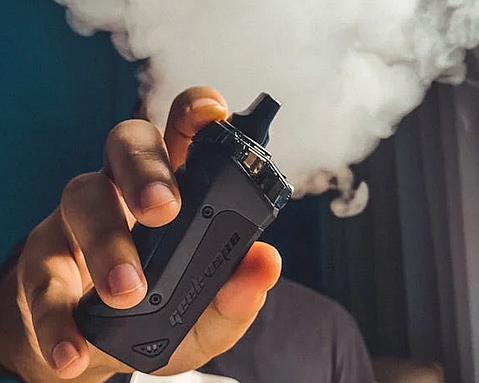
THC, smoke shops, kratom and cannabinoids (Credit: Pexels)
Doylestown Borough has taken the next step in regulating smoke shops, hookah bars and cannabinoid retailers, with council unanimously approving a zoning ordinance amendment at its Monday meeting.
The vote follows earlier action in March to advertise the proposal and sets new rules for how and where these businesses can operate in the borough.
The ordinance creates specific classifications for these uses and removes them from the general retail category, requiring them to seek special exception approval to operate within the borough’s Retail Commercial zoning district.
It also establishes distance requirements from residential areas and similar businesses, limits hours of operation and sets age restrictions, along with security and insurance requirements .

Borough officials previously said the changes were driven by an increase in these businesses and concerns from residents about public health, safety and impacts on neighborhoods, particularly involving youth access and exposure. The ordinance is intended to provide clearer oversight while balancing business activity with community standards.
The ordinance introduces new use categories, including “Unregulated Cannabinoid Substances Retailer,” “Regulated Cannabinoid Substances Retailer,” “Tobacco Store/Smoke Shop,” and “Hookah Bar/Lounge,” each with specific operational requirements and definitions.
It also removes these businesses from the general “retail shop” category, meaning they would no longer be permitted by default in commercial areas.
These businesses are to be located at least 200 feet from residential properties or districts, as well as from each other in certain cases.
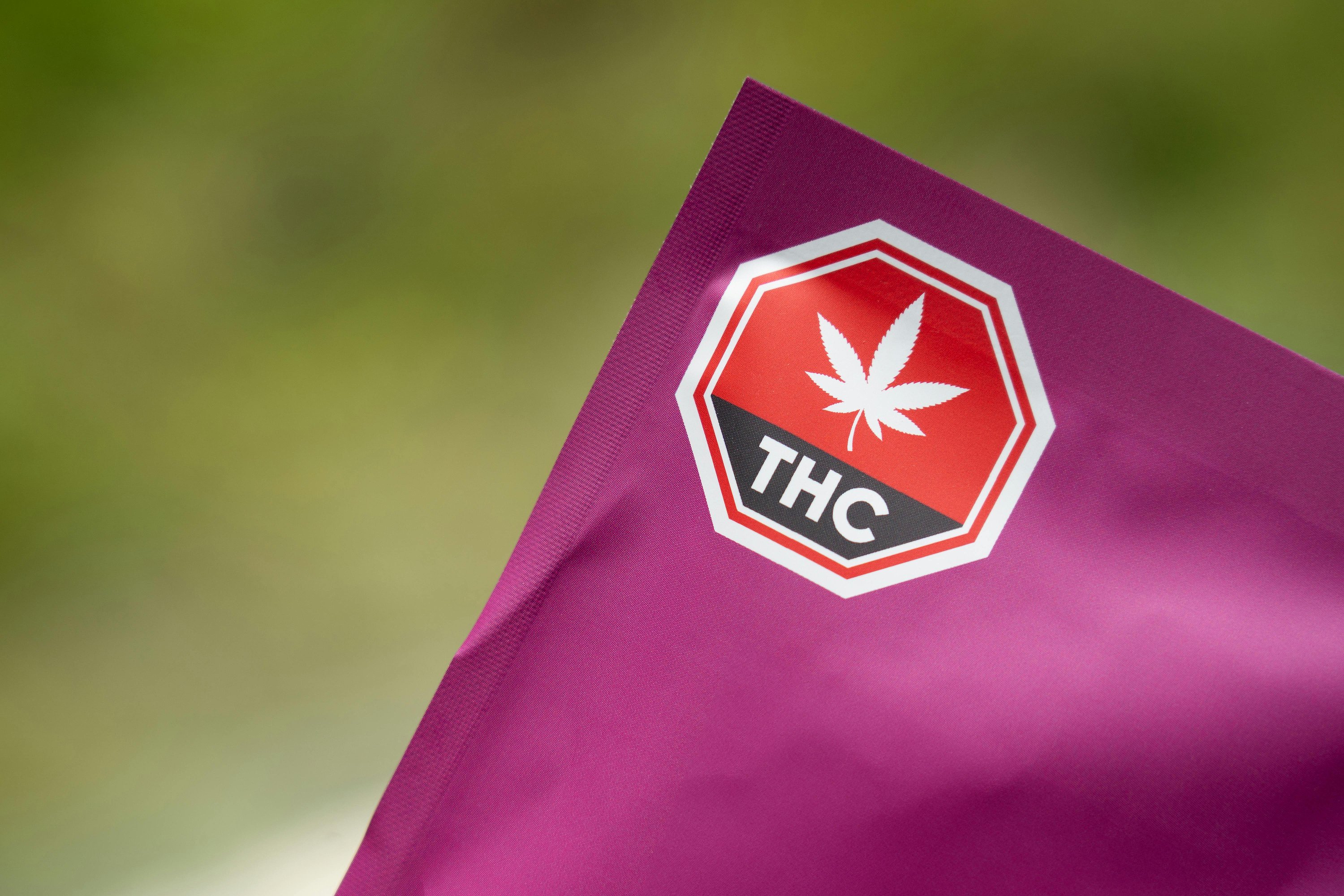
The amendment prohibits businesses from opening between 11 p.m. and 8 a.m. Age restrictions are now enforced, barring anyone under 21 from entering these establishments unless stricter state laws apply.
Additional requirements include security measures such as monitored alarm systems, proof of at least $2 million in liability insurance, emergency evacuation plans and compliance with all applicable state and federal laws.
Last month, council cited particular concern about access and exposure among younger residents, as well as the proximity of these businesses to homes and neighborhoods.
Planning officials recommended adoption of the proposal, noting it aligns with state planning requirements and local zoning goals.

Amendment joins new kratom and hemp-derived cannabinoid sales law
Last month, council approved a new ordinance restricting the sale of kratom and hemp-derived cannabinoid products within the borough.
The measure, recommended by council’s Public Safety Committee, prohibits the sale of kratom and hemp-derived cannabinoid products to anyone under the age of 21 and ban such sales within 1,000 feet of schools and playgrounds.
During her mayor’s report in February, Mayor Noni West thanked the Public Safety Committee, Solicitor Andrew Griffin, Borough Manager John Davis and Director of Planning and Zoning Karyn Hyland “for their thoughtful work on tonight’s consideration of an ordinance restricting the sale of kratom and hemp-derived cannabinoid products.”
“These products present real risk of dependence and addiction, especially among our youth,” West said. “Thank you for your diligence, your careful review, and for listening to the voices of our residents as you address this important public issue.”
Councilman Robert Kinney echoed the mayor’s remarks in March.
“I just want to echo the mayor’s comments from earlier about the great work that staff did and our solicitor did putting this language together,” Kinney said. “You know, this is really an acutely important issue for this community and other communities. And I think that the work they’ve done here is really commendable. So, thank you.”
Councilwoman Jennifer Jarrett noted in February the issue was first raised by a member of the public.
“We had a member of the public come to a zoning and hearing committee meeting and bring this to our attention,” Jarrett said. “Luckily, we happened to have the solicitor present at that meeting by happenstance. This person had been in recovery and was expressing some real concerns over how dangerous and unregulated this substance is. And honestly, I can shamefully say I think none of us knew about it. So we’re really grateful that someone from the public came in and brought it to us.”
Under the ordinance language, a “dealer” would be prohibited from offering, selling or distributing kratom or hemp-derived cannabinoid products within 1,000 feet of any school or playground, with the separation distance measured from property line to property line. The measure also requires dealers to verify age through government-issued photo identification before any transaction and makes it unlawful to provide such products to anyone under 21
The ordinance broadly defines hemp-derived cannabinoids to include extracts or stimulants chemically derived from naturally occurring cannabinoids found in hemp or cannabis plants, including Delta-8 THC and other related compounds
Violations would constitute a summary offense punishable by a fine of up to $300 plus costs, and in default of payment, up to 90 days’ imprisonment, with each day constituting a separate offense.
Enforcement authority would rest with the Central Bucks Regional Police Department and the borough’s code enforcement officer.