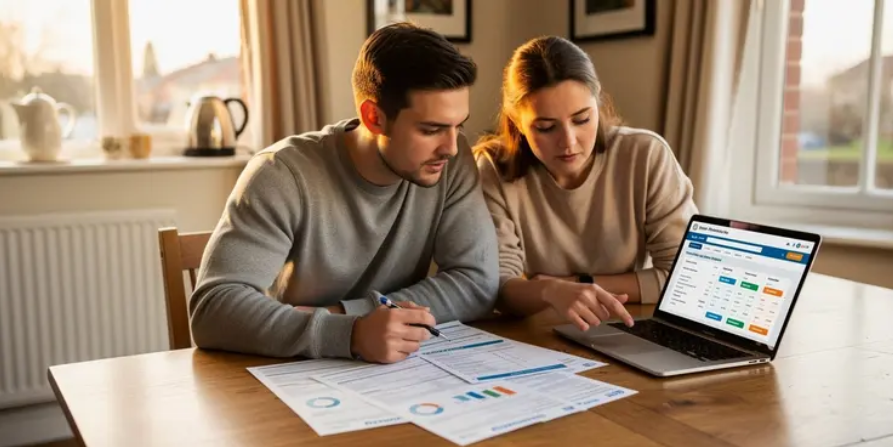
The price of water in the United States has been on the increase as communities modernize their systems and seek to be environmentally friendly. To control such expenses, cities and property owners are considering more intelligent methods of monitoring water consumption and making sure that residents contribute a reasonable amount. Water submetering, a system that offers transparent and accurate billing according to actual consumption, is one of the solutions that are gaining momentum in such places as Buckingham Township.
Submetering is in line with the concept of paying what you consume. Instead of splitting the water bill, this method measures each household's water use. To the owners of property, developers, and residents in Buckingham Township, the advantages are financial equity and environmental safety.
Learning About Water Submetering.
Water submetering is the installation of a unit meter in a multi-family building or property. These meters are used to measure the precise quantity of water consumed by each unit and the bill is billed accordingly. In conventional systems, one master meter is used to measure the total water consumption in the property. The owner then divides the bill between residents, which is usually divided by some simple formula like occupancy or square footage. Although it is simple to administer, this approach is unfair because the bill does not reflect real consumption. Under submetering, each unit is metered. Real consumption data of those meters are used to calculate monthly bills.
The result is a system where:
Billing of water in Buckingham Township.
Buckingham Township, similar to most Pennsylvania communities, manages water and sewer issues on a local level. The Sewer and Water Commission of the township provides advice to the officials on water policies, development plans, and infrastructure priorities. Municipal services typically issue water bills on a quarterly basis. Nevertheless, submetering is becoming more popular in apartment complexes, condominiums, and mixed-use buildings to enhance the accuracy of billing and minimize conflicts between managers and tenants.
The Importance of Paying for What You Use.
One of the most common arguments against shared water billing is that it could penalize those who use less water. As an example, one person living in a small apartment may pay the same as a family of five when the price is divided equally. Submetering is a solution to such issues because it only charges residents the amount of water that their meter measures. The main benefits of this model are the following:
Equitable and Open-minded Billing.
Submetering is a way of making sure that the tenants or homeowners only pay what they use. Low-consumption households no longer subsidize heavy users.
Reduced Water Waste
When residents know how their consumption affects their bill, they conserve more. Research indicates that submetering has the potential to reduce total water consumption on a property by a significant margin.
Faster Leak Detection
Individual meters point out the abnormal usage patterns, which can indicate leaks or plumbing problems. Early warning assists owners to avoid expensive damage and wastage of water.
The Technology of Modern Submetering.
The current water submetering systems incorporate hardware and digital monitoring. Typically, a system includes:
This arrangement allows property managers or billing service providers to read all meters remotely and prepare correct bills depending on consumption. Other systems enable residents to monitor their water consumption through mobile applications or web dashboards, providing even greater transparency.
The Utility Billing Provider Role.
The process of submetering typically requires the services of specialized utility billing companies that deal with installation, monitoring, and billing.
All the providers provide the same services, which include meter installation, Mainlink, tracking of usage, billing management, and customer support. Property managers in most residential areas use third-party services to gather meter data and generate itemized statements for every tenant. This method reduces the administrative effort and maintains adherence to local billing regulations. Real-time monitoring and automated alerts are also added to some modern systems, which assist residents in identifying unusual usage at an early stage.
An Intuitive Fit for Developing Communities.
Such communities as Buckingham Township are expanding with multi-family housing and mixed-use developments. As the density increases, utility management becomes more complex. Submetering is a scalable solution to developers and building managers since it:
Submetering also provides budgeting certainty for many property owners, as it allocates utility costs to residents instead of absorbing them in operating costs.
Overcoming the Fears of Submetering.
Other residents fear that submetering will increase their bills. Usually, the opposite is true. Flat-rate bills tend to overcharge low-usage households. This condition is corrected through submetering, where it is billed on consumption. Installation cost may be an issue. Although the cost of meters and monitoring technology can be expensive at first, the owners can usually pay it off by achieving greater efficiency and reduced water wastage. The installation is also easier than the old systems, with the new technology making retrofits of old buildings easier.
Environmental and Community Benefits.
Submetering promotes environmental goals alongside fairness and cost management. Conservation of water is becoming more important due to climate variability and deteriorating infrastructure. When the residents observe their own consumption, they will be more inclined to embrace sustainable practices, including
Washing machines and dishwashers should be run only when full. These small changes can add up, significantly reducing a building's overall water consumption. Water-efficient systems can help achieve long-term sustainability goals in areas like Buckingham Township that balance development with environmental conservation.
The Future of Fair Water Billing.
The smart technology is transforming infrastructure, and water submetering will become the norm in the contemporary residential projects. Advanced meters, cloud-based data platforms, and integrated billing systems are all changing how we measure and bill. These devices help property managers work more efficiently and give residents a clear understanding and control over their consumption.
In places like Buckingham Township, where proper planning and management of infrastructure are central, the introduction of fair-billing systems that encourage responsible water consumption is a viable move.
Final Thoughts
The idea of paying for what you consume is straightforward yet effective. This principle is applied in submetering water, where every household is charged based on its actual consumption. This approach is fair, efficient, and sustainable to owners, developers, and residents in Buckingham Township. Submetering is becoming a smart solution to water resource management in the modern communities with the help of modern technology and qualified providers. I can also optimize this article to SEO, should you like.