Handguns play a central role in today’s shooting, defense, and sporting landscape because of their adaptability and practical design. Used for home protection, recreational range practice, and competitive shooting, handguns remain one of the most widely researched firearm categories in the United States. Their manageable size, evolving technology, and broad availability make them appealing to both first-time buyers and experienced shooters who value flexibility and control.
Rather than serving a single purpose, this firearm category continues to evolve in tandem with modern safety standards, training expectations, and performance requirements. Understanding how these tools are used, maintained, and selected helps shooters make informed decisions that align with responsible ownership.
One reason handguns continue to be widely used is their balance between portability and effectiveness. Compared to larger firearms, they are easier to store securely and handle in controlled environments. For many households, they represent a practical option for personal or home defense when combined with proper training and safe storage practices.
Recreational shooters also gravitate toward this category because range facilities can accommodate them, and practice sessions allow shooters to focus on fundamentals such as grip, stance, and trigger control. This versatility maintains strong demand across various experience levels and lifestyles.
Design and configuration play a major role in how these firearms are used. Compact models are often chosen for personal defense, while full-size versions are preferred for competitive shooting or extended range sessions. Caliber choice, recoil management, and ergonomics all influence how a firearm performs in a given situation.
Target shooters often prioritize consistency and accuracy, while those focused on home defense may emphasize reliability and ease of operation. Matching these characteristics to personal goals helps shooters select equipment that supports safe and effective use.
Responsible ownership begins with education and safe handling. Training, proper storage, and awareness of local regulations are essential components of lawful firearm use. Guidance published by the Bureau of Alcohol, Tobacco, Firearms, and Explosives outlines federal requirements related to purchasing, transporting, and storing firearms in the U.S.
Secure storage options such as lockable safes and cases reduce the risk of unauthorized access while still allowing responsible owners to maintain readiness. These practices reinforce safety without compromising practicality.
Modern handguns benefit from steady innovation in materials and design. Improved polymers, corrosion-resistant coatings, and enhanced sight systems have increased durability and performance. Many models now feature optics-ready slides, modular grips, and improved trigger systems that allow for greater customization.
These advancements help shooters adapt their equipment to specific uses, whether that involves competitive upgrades or comfort-focused enhancements for extended range time.
Skill development remains a cornerstone of effective firearm use. Regular practice builds confidence, accuracy, and familiarity with the operation. Many shooters participate in structured training programs or supervised range sessions to develop foundational skills before advancing to more specialized techniques.
Organizations such as the National Shooting Sports Foundation provide educational resources that promote safe handling, proper training standards, and responsible participation in shooting sports.
Ammunition selection and maintenance routines significantly influence the performance of handguns. Different calibers produce varying recoil characteristics and ballistic performance, which can affect comfort and control. Selecting quality ammunition and following manufacturer recommendations supports reliable operation.
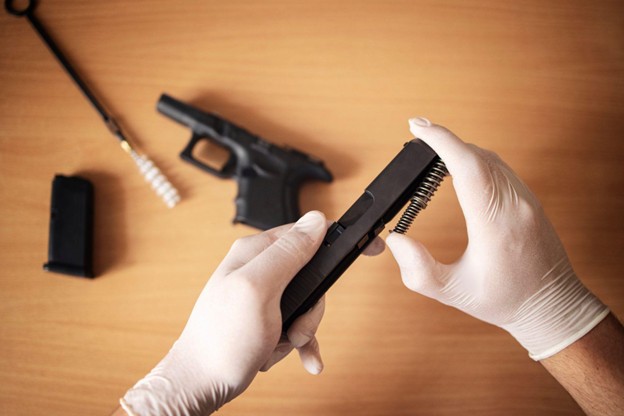
Routine cleaning and inspection help prevent malfunctions and extend service life. Even firearms that are used infrequently benefit from periodic maintenance to ensure they function as intended when needed.
Ergonomics plays a significant role in accuracy and comfort. Grip size, trigger reach, and balance all influence how well a shooter can control a firearm. Taking time to handle different models allows individuals to identify options that suit their physical build and shooting style.
Choosing handguns that feel natural in the hand improves confidence and reduces fatigue, especially during longer training sessions or competitions.
Within today’s shooting community, handguns continue to shape training programs, competitive disciplines, and safety initiatives. Their widespread use has led to a strong support network of instructors, ranges, and educational materials that encourage responsible ownership.
As interest in shooting sports and personal defense continues, this category remains central to innovation and skill development across the industry.
The future of handguns is influenced by evolving technology, training standards, and user expectations. For those exploring this category, understanding practical use cases, safety principles, and maintenance requirements provides a solid foundation for informed decisions.
When approached responsibly, these firearms offer a balance of practicality, performance, and adaptability that continues to meet the needs of modern shooters.