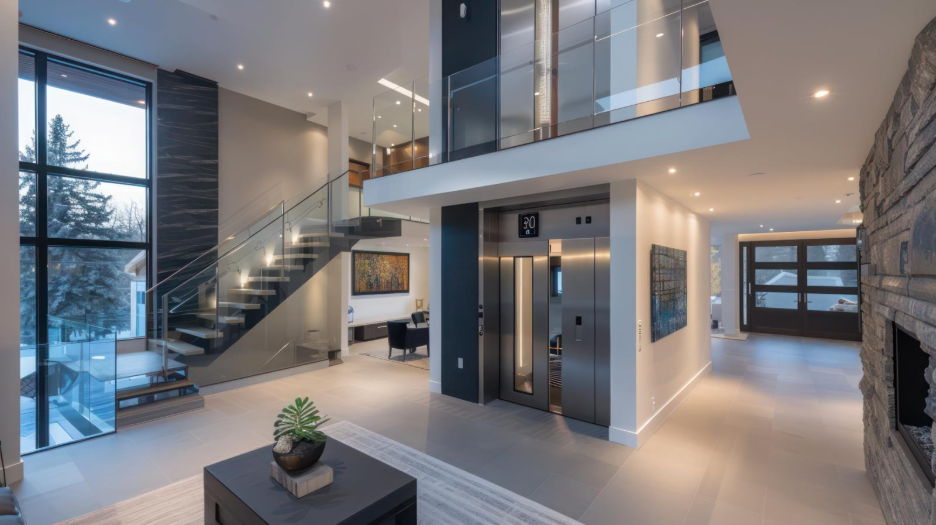
There’s a shift happening in modern homes - quiet, steady, and long overdue. It begins the moment a homeowner asks themselves a question so deceptively simple that it often goes unspoken: Why does moving through my home feel more complicated than it should?
Not philosophical. Not dramatic. Just practical.
A home should not feel like a daily circuit. Multi-story living was never supposed to depend on how many trips you can make before you’re tired of navigating the same staircase carrying bags, laundry, boxes, or weekend project supplies. And this is precisely where vertical mobility stops being a design choice and becomes a measure of efficiency, an operating system for the home rather than an accessory.
It’s the growing awareness that is one of the very reasons why residential elevators have entered daily conversations among homeowners. The conversations revolve around people who care about intelligent movement, long-term livability, and the kind of convenience that improves how a homework assignment is done.
Every home has friction points, or jobs that are more difficult than they need to be because they require moving things by hand between floors. What should be a two-minute task turns into a ten-minute loop of going up, going down, and then recalling something else you forgot to take.
This is where vertical mobility becomes transformative. A well-designed home mobility system removes the hidden inefficiencies you’ve grown used to. It collapses distance, reduces strain, and allows the home to function the way a modern space should.
Homeowners who adopt residential elevators often note the same shift: suddenly their home feels different. Not futuristic but simply well-organized, efficient, and balanced.
Vertical mobility reshapes more than movement. It reshapes how you use the house.
The standard two-floor laundry shuffle - washing downstairs, sorting upstairs, and folding downstairs again - quietly eats up hours every week. A single vertical mobility method gets rid of that cycle completely. A chore that used to feel like "cardio for errands" turns into an effortless part of the day.
Many homeowners pick where things “should” go based on whether they have the energy to carry them there. Holiday items, tools, seasonal clothing, business supplies - everything ends up spread across the home because moving them is tiring.
A home equipped with residential elevators makes proper storage practical, not optional.
Having people on more than one floor should not feel like planning a small event.
Vertical movement makes it easier for food, decor, supplies, and people who clean up to get where they need to go. The home supports the host, not the other way around.
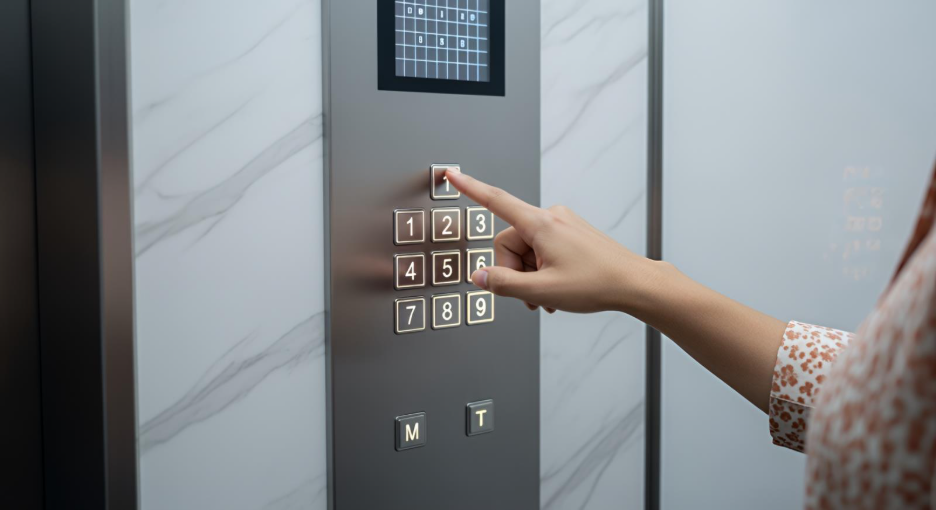
Efficiency is not only about speed. It’s about eliminating unnecessary risk. One common way that people get hurt at home is by carrying heavy or big things up and down stairs when they don't need to.
Cutting that strain is a smart plan, not a luxury.
In the past, stairs represented architectural aspirations. These days, they become a hindrance, particularly when households change; children grow, parents age, habits alter, and rooms take on new functions. They’re now, in a way, representing inefficiency.
A well-placed vertical mobility system gives the home the agility to adapt without renovation chaos.
This is one of the biggest reasons homeowners are actively researching residential elevators as an investment in comfort, long-term independence, and property value.
When something is truly efficient, it doesn't need to make a lot of noise. It's the quiet feeling that the house is there for you, not making you work hard.
A home that is vertically linked has three main benefits:
The real value of adopting residential elevators isn’t measured in the first week. It’s measured in the next decade. It's the ease of aging in place, the energy savings, the decreased risk, the sensation that your house is changing with you rather than confining you, and the saved strain.
Architecture has never been the only aspect of homes. They have to do with life quality. The structure only conforms to that reality through vertical movement.
The hidden efficiency of vertical mobility isn’t dramatic or flashy. It’s steady, reliable, and the kind of improvement that makes you wonder why homes weren’t designed this way from the start.
That's exactly why more homeowners are installing private elevators: not to be fancy, but to be smart, easy, safe, and long-lasting.