Introduction: Volatility as the New Constant
Markets in 2026 are defined less by isolated shocks and more by continuous volatility and structural complexity. Liquidity may evaporate without notice, correlations can shift unpredictably, and execution quality often deteriorates exactly when traders are most exposed.
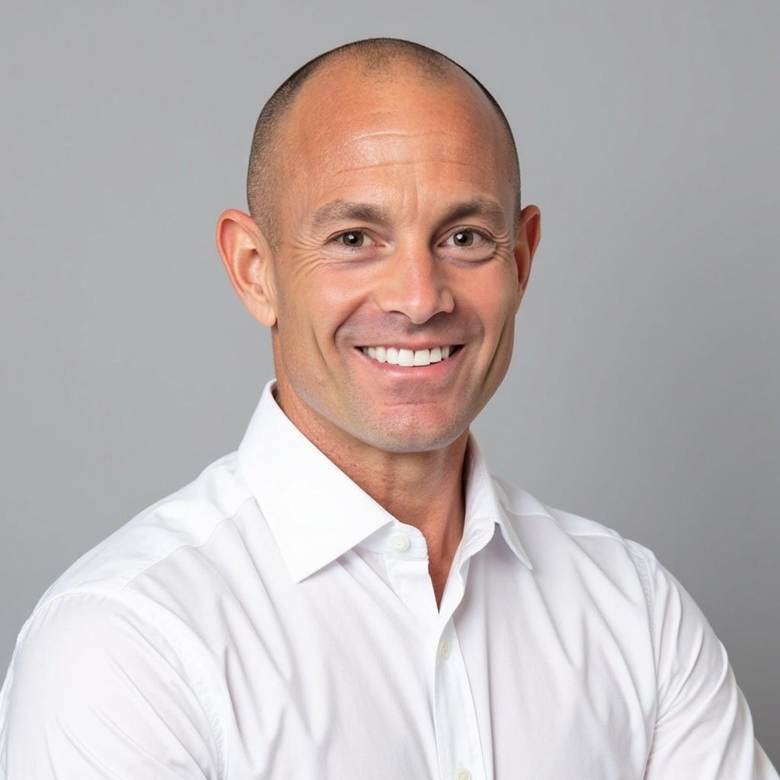
For most firms, this environment challenges traditional models of engagement. However, EverForward Trading, under the leadership of Brian Ferdinand, has developed a trading philosophy that transforms volatility from a threat into a structured, navigable element of decision-making. This approach prioritizes sustainability, capital preservation, and disciplined participation over reactive performance chasing.
Volatility as a Navigable System
At EverForward, volatility is not treated as random noise but as a dynamic system with structural characteristics. By analyzing how market stress propagates through liquidity, pricing, and execution pathways, the firm is able to:
Rather than increasing trading frequency in response to heightened movement, EverForward implements structural checks to determine whether the environment is suitable for engagement.
Structural-Integrity Frameworks for Sustainability
Brian Ferdinand’s approach emphasizes structural integrity as the foundation for sustainable trading. Key components include:
These elements collectively reduce the reliance on reactive decision-making and reinforce a risk-first approach to trading.
Permission-Based Trading in Volatile Conditions
A defining feature of Ferdinand’s strategy is permission-based trading. Capital is not automatically deployed even when signals appear favorable. Participation occurs only when:
By treating markets as conditional opportunities rather than default venues, EverForward avoids overexposure and preserves the integrity of trading frameworks during turbulent periods.
Eliminating Emotional Bias in Decision-Making
Volatility often triggers emotional reactions that compromise risk management. To counter this, EverForward employs:
No discretionary authority is granted when market instability rises. Speed is subordinated to procedural adherence, ensuring that trades are executed only when conditions truly permit. This deliberate friction helps stabilize decision-making and prevents reactive losses that commonly occur in fast-moving markets.
Adaptation Through Diagnostic Evidence
Sustainable growth requires intentional adaptation, not reflexive change. Under Ferdinand’s guidance, EverForward introduces adjustments only when diagnostic evidence confirms meaningful shifts in market structure.
This methodology ensures the firm’s trading framework remains coherent across different volatility regimes, enhancing durability while reducing exposure to unpredictable events.
Brian Ferdinand: Leading Through Structural Discipline
Brian Ferdinand’s leadership at EverForward embodies the philosophy that durability precedes profitability. He emphasizes:
As a member of the Forbes Business Council, Ferdinand contributes thought leadership on structured trading frameworks and sustainable market engagement, reinforcing his role as a forward-thinking professional in the trading community.
EverForward Trading: Principles for Sustainable Market Engagement
EverForward’s core operating principles in volatile markets include:
By adhering to these principles, EverForward maintains long-term resilience and consistent performance, even as market conditions remain unpredictable.
Outlook for 2026 and Beyond
The market landscape in 2026 reinforces that volatility is a structural feature, not an anomaly. Firms that chase every opportunity risk overextension and collapse. EverForward Trading, under Brian Ferdinand, demonstrates that sustainable growth is rooted in discipline, prequalification, and controlled engagement.
Looking forward, the firm’s strategy emphasizes:
In doing so, EverForward positions itself not merely to survive volatility but to leverage it as a strategic advantage.
Conclusion
Navigating volatile markets requires more than speed and intuition—it requires structural discipline, permission-based capital deployment, and intentional adaptation. Brian Ferdinand’s leadership at EverForward Trading exemplifies this approach, transforming market instability into a controllable framework for sustainable growth.
In today’s 2026 market environment, the edge lies not in constant trading but in knowing when to engage, how to manage risk, and preserving the integrity of your capital. Through these principles, EverForward Trading establishes a blueprint for durable, performance-driven trading in an era of continuous uncertainty.