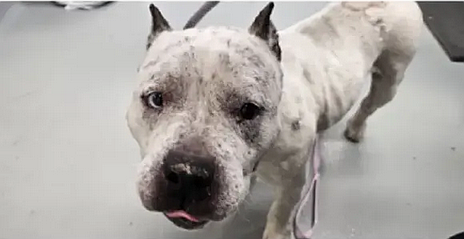
(Credit: Bucks County SPCA)
What do Bristol, Doylestown and Warminster have in common? The Bucks County towns are among the municipalities with the most reported lost pets, according to recent statistics that today have local officials warning that wardens with the Bureau of Dog Law Enforcement soon will be on the prowl to check man’s best friend.
Employees of the state Agriculture Department, beginning in March, will be on the lookout throughout the county for unlicensed dogs, a violation of state law that requires all dogs eight weeks and older be licensed or face a fine of up to $500.
About 27,500 dog licenses were issued last year in Bucks County, according to County Treasurer Mark B. Moffa, whose office handles dog licensing. Licenses are essential for returning lost dogs to their owner, he said, and only 3 percent of stray dogs in Pennsylvania were returned to owners. Last year, there were 438 reported lost pets in Bristol, 316 in Doylestown and 443 in Warminster.
“Licensing your dog isn’t just a legal requirement, it’s a simple step that can make all the difference when a pet goes missing,” said Moffa, whose department handles county licensing.
A Dog Warden enforces the licensing law by ensuring dogs are licensed and vaccinated against rabies, as well as inspecting kennels, investigating cruelty complaints, seizing stay or dangerous dogs, and reuniting lost dogs with their owner.
Said Natalie Spicer of the Treasurer’s Office: “Enforcement efforts will begin in March. The dog warden will travel throughout each municipality in Bucks County. The primary focus at this stage is connecting dog owners with the resources they need to obtain a license.”
Under Pennsylvania law, dogs must be licensed at the point of purchase or adoption. License fees fund the work of dog wardens and support statewide animal control and public safety efforts through the state Agriculture Department’s Bureau of Dog Law Enforcement.
Unlike microchips – they require a scanner to read – a dog license is clearly visible on a collar and allows animal control officers, shelters or good Samaritans to immediately identify where a dog belongs.
It’s unknown how many dogs in Bucks County are unlicensed.
“It’s very difficult to say with any certainty how many unlicensed dogs are in Bucks County,” said Spicer. “We do know that, on average, dog ownership has increased nationwide over the last six years. But the number of dog licenses issued in Pennsylvania has steadily decreased during that same time period.”
The cost of a dog license is less than fines and court costs associated with an unlicensed dog. Licenses can be purchased online at the Bucks County Treasurer’s Office – www.doglicenses.us/PA/Bucks/.