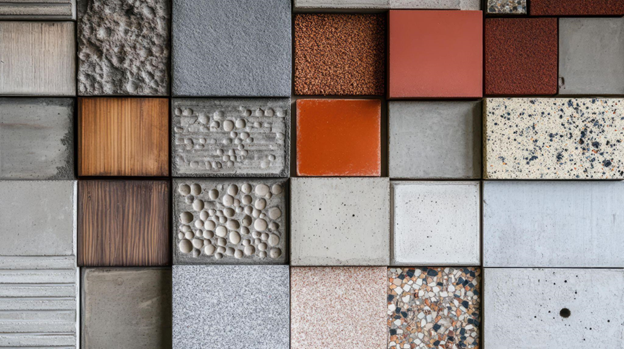
Across the region, more home builders in Maine are shifting their approach to construction, focusing not just on appearance and efficiency but on healthier, low-impact building materials that support long-term well-being. With rising environmental awareness, evolving building science, and increasingly climate-aware homeowners, material choices are now shaping the future of sustainable housing.
For many homeowners, the goal is no longer just energy efficiency or resale value; it is creating a home that supports cleaner indoor air, responsible sourcing, durability, and lower lifetime environmental impact. This approach reflects a deeper question homeowners are beginning to ask: What is my home made of, and what effects will those materials have over time?
Traditionally, construction focused on cost, speed, and convenience. However, home builders in Maine are now adopting a more holistic perspective, one that includes embodied carbon, moisture behavior, off-gassing potential, and material lifespan.
This shift is being driven by several overlapping forces:
Home designs are evolving alongside values. Instead of “bigger and faster,” the trend is toward smarter, healthier, and longer-lasting.
Maine’s environment demands durable architecture. Heavy snowfall, humidity swings, freeze-thaw cycles, coastal winds, and salt exposure require precise material performance. Poorly chosen materials can trap moisture, create mold, deteriorate prematurely, or fail thermally.
For these reasons, home builders in Maine are prioritizing building assemblies designed around:
Materials that align with these principles not only perform better but also support long-term environmental stewardship.
Indoor air quality plays a major role in material selection. According to the U.S. Environmental Protection Agency, some indoor environments can contain two to five times more pollutants than outside air.
Because Maine homes are built tightly for energy efficiency, reducing exposure to harmful chemicals is especially important. Low-impact material selections now include:
By reducing off-gassing and volatile organic compounds, these practices help create healthier interior environments, especially for children, seniors, and individuals with allergies or sensitivities.
Low-impact construction doesn’t sacrifice design; rather, it elevates it. Many home builders in Maine now emphasize materials that are renewable, recyclable, locally sourced, or naturally durable.
Some examples include
Natural or Low-Impact Insulation
High-Performance Building Envelope Materials
Sustainable Structural Materials
Interior Material Priorities
These choices are not just aesthetic; many influence energy performance, indoor comfort, carbon footprint, and long-term financial value.
Healthy building requires understanding how materials interact with moisture, air pressure, temperature, and vapor movement, not just how they look or how quickly they install.
Home builders in Maine increasingly rely on building science principles such as:
Low-impact construction is sometimes misunderstood as delicate or experimental, but in practice, these materials frequently outperform standard options. Many are chosen because they:
Ultimately, materials that are healthier for people often prove healthier for the home itself.
Homeowners today are well-informed and motivated by their values. More buyers are intentionally seeking home builders in Maine who can deliver healthy, eco-conscious spaces, not as an upgrade, but as a baseline.
These clients often prioritize:
For many, sustainability is not a trend; it’s an ethical investment in well-being, resource conservation, and responsible living.
As climate patterns shift and construction continues to evolve, the industry is moving steadily toward regenerative building practices. The future home is defined not just by energy efficiency or durability, but by intentional materials that support both human and environmental health.
In the future, home builders in Maine will play a key role, bridging craftsmanship and building science to create homes that give more than they take and stand as long-term contributions to the land, community, and quality of life.